
If you’ve ever had your car repaired after a collision, there’s a good chance you’ve encountered the word “supplement.” Maybe your body shop called to let you know the repair would take a little longer than expected, or you received an updated estimate that was higher than the original. For many car owners, this can be confusing or even frustrating—especially when you thought everything was already figured out.
The truth is, supplements are one of the most common and normal parts of the collision repair process. Understanding what they are, why they happen, and how they’re handled can take a lot of the stress out of the experience and give you confidence that your vehicle is being repaired properly.
What Exactly Is a Supplement?
A supplement—sometimes called a “supplemental claim” or “supplemental estimate”—is an addition to the original repair estimate that accounts for damage discovered after the vehicle has been partially disassembled and the repair work has begun. It’s essentially an update to the repair plan that reflects the true scope of damage once technicians can see what’s going on beneath the surface.
Think of it this way: when your vehicle is first inspected after a collision, the estimator can only assess the damage that’s visible from the outside. Dented fenders, cracked bumper covers, broken headlights—these are all things that can be identified and documented during the initial estimate. But modern vehicles are built in layers, and a significant amount of damage often hides behind exterior panels, inside structural cavities, or within mechanical and electrical systems that aren’t accessible until the car is taken apart.
Why Do Supplements Happen?
Supplements happen because it’s simply not possible to identify every piece of damage from an external visual inspection. Here are the most common reasons additional damage is found during the repair process:
Hidden Structural Damage
When a vehicle is struck with enough force, the energy from the impact travels through the body structure in ways that aren’t always visible from the outside. A front-end collision, for example, might crumple the bumper reinforcement bar and push it into the radiator support, the frame rails, or the core support—none of which may be visible until the bumper cover and related components are removed. These hidden structural issues must be identified and repaired to ensure the vehicle’s safety in a future collision.
Damage Behind Panels and Trim
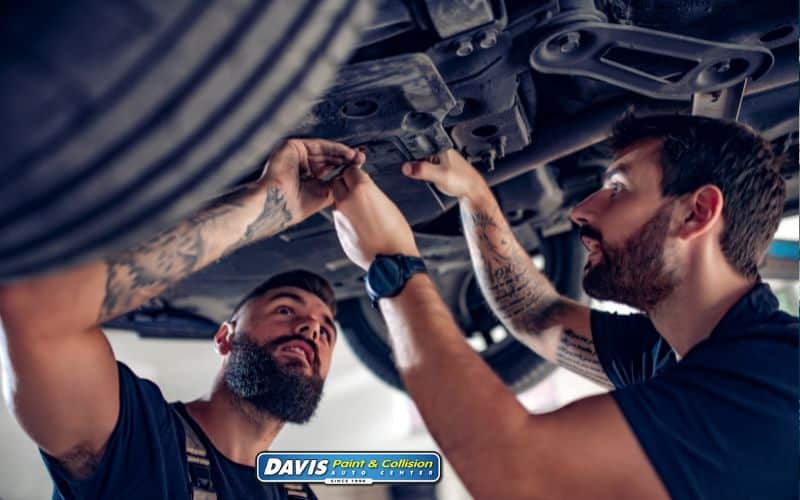
Exterior body panels often conceal additional components such as inner fender liners, reinforcement brackets, wiring harnesses, and mounting hardware. A door that looks like it only has a dent on the outside may reveal a damaged window regulator, bent intrusion beam, or compromised side-impact sensor once the interior trim and outer skin are removed. These components can only be properly evaluated during disassembly.
Mechanical and Electrical Issues
Collisions don’t just damage body panels. The force of an impact can affect suspension components, steering linkages, cooling systems, wiring, and sensors—including the sophisticated Advanced Driver Assistance Systems (ADAS) found in most modern vehicles. These mechanical and electrical issues often aren’t apparent until the vehicle is on a lift and technicians can perform a thorough inspection.
Prior Damage or Previous Repairs
Sometimes disassembly reveals pre-existing damage or previous repairs that were not performed correctly. If earlier work used improper techniques or substandard parts, it can complicate the current repair and require additional work to bring the vehicle back to safe operating condition. This is another reason why choosing a certified body shop matters—experienced technicians know how to identify and address these issues.
What Does the Supplement Process Look Like?
At a reputable collision repair center like Davis Paint & Collision Auto Center, the supplement process is handled professionally and transparently. Here’s how it typically works:
- Initial estimate is written based on a thorough visual inspection of the vehicle’s exterior damage.
- Disassembly begins, and technicians carefully remove damaged panels and components to expose the full extent of the damage.
- Additional damage is documented with photographs and detailed notes, and a supplemental estimate is prepared.
- The supplement is submitted to the insurance company (if applicable) for review and approval. The body shop communicates directly with the insurer to negotiate coverage for the additional repairs.
- Once approved, the repair continues with all necessary work included in the updated repair plan.
- You are kept informed throughout the process. A good body shop will contact you to explain what was found and provide an updated timeline for completion.
Are Supplements a Red Flag?
Not at all. In fact, supplements are a sign that your repair shop is doing things the right way. A shop that never writes supplements may be cutting corners—either skipping necessary repairs or not performing a thorough enough teardown inspection. According to industry data, a significant percentage of collision repairs involve at least one supplement. It’s that common.
What should concern you is a shop that doesn’t find additional damage on a moderate to severe collision repair. If a vehicle took a hard hit and the shop claims the initial estimate covers everything without ever removing exterior panels for a closer look, that’s worth questioning.
How Supplements Affect Your Repair Timeline
One of the most common frustrations with supplements is the impact on your repair timeline. When additional damage is found, the shop may need to order new parts and wait for approval before proceeding. This can add days or even weeks to the repair depending on the severity of the hidden damage and how quickly parts are available.
The best thing you can do is stay in communication with your body shop. At Davis Paint & Collision Auto Center, we prioritize keeping our customers informed at every stage. If a supplement is needed, we’ll explain what was discovered, what additional work is required, and provide a realistic updated timeline so there are no surprises.
How to Minimize Surprises During the Repair Process
While supplements are a normal part of collision repair, there are a few things you can do to make the process smoother:
- Choose a certified collision repair center. Certified shops have the training, equipment, and experience to identify damage accurately and communicate clearly with you and your insurer.
- Understand that initial estimates are starting points. The first estimate is based on visible damage only. Expect that the final cost may be higher once the full extent of the damage is known.
- Ask your shop about their supplement process. A transparent shop will be happy to explain how they handle additional damage, how they communicate with your insurer, and how they’ll keep you updated.
- Be patient with the timeline. It’s better for your shop to take the time to repair your vehicle correctly than to rush and miss something important. A thorough repair protects your safety and your vehicle’s value.
No Surprises — Just Honest Repairs at Davis Paint & Collision Auto Center
Supplements don’t have to be stressful. At Davis Paint & Collision Auto Center, we keep you in the loop from the moment your vehicle arrives until the day you drive it home. If additional damage is found during disassembly, our team will document everything, explain what we’ve discovered, and handle the communication so the process moves forward as smoothly as possible. With manufacturer certifications from Toyota, Ford, GM, Nissan, Hyundai, Kia, and FCA, along with our I-CAR Gold Class designation, you can trust that nothing gets overlooked and every repair meets the highest standards.
With three convenient locations across the Oklahoma City area, our team is nearby and ready to help:
- Oklahoma City Location – Call 405.733.9797
- South Oklahoma City Location – Call 405.691.1820
- Midwest City Location – Call 405.732.0762
Have questions about your repair estimate or wondering why additional work was needed? Stop by or give us a call—we’re always happy to walk you through the process and make sure you feel confident about every step of your repair.