

Shopping for a used car comes with a familiar checklist: mileage, maintenance records, tire tread, maybe a test drive around the block. But one thing many buyers overlook is whether the vehicle has been in a prior accident — and more importantly, whether that repair was done well. A quality repair, done by a certified shop, may hold up for the life of the vehicle without issue. A rushed or poor-quality repair can leave you with hidden problems that show up months after you’ve signed the paperwork.
Why This Matters More Than You’d Think
A car that’s been in an accident isn’t automatically a bad buy — plenty of well-repaired vehicles perform exactly like they never had an issue. The real risk is a repair that was done cheaply, with mismatched parts, shortcuts on structural work, or a paint job that wasn’t properly blended. These issues aren’t always obvious on a test drive, but they can affect long-term durability, resale value, and even safety systems like airbags and crumple zones.
What to Look For
Paint inconsistencies. Step outside on a sunny day and look at the car from several angles, not just straight on. Slight differences in color, texture, or gloss between panels — especially around doors, fenders, or the hood — can indicate a repaint. Run your hand along panel edges and door jambs; overspray or tape lines are a giveaway.
Panel gaps and alignment. Open and close the doors, hood, and trunk. Panels should line up evenly with consistent gaps. Uneven gaps, doors that don’t close flush, or a hood that sits slightly off can point to prior bodywork.
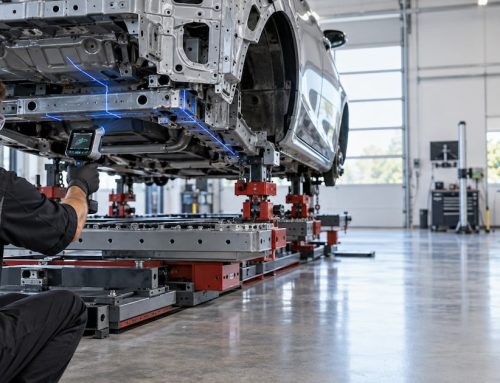
Signs of frame or structural work. Look underneath the vehicle, in the trunk, and under the hood for fresh welds, bent brackets, or paint overspray in places that shouldn’t have any — like inside the engine bay or trunk liner.
Mismatched or aftermarket parts. Headlights, bumpers, or trim pieces that look slightly different in shade or fit compared to the rest of the car can indicate replacement parts were used. This isn’t necessarily bad, but it’s worth knowing.
Vehicle history reports. A history report can flag reported accidents, but it isn’t foolproof — not every repair gets reported. Combining a history check with a physical inspection gives you a much clearer picture.
Ask About the Shop That Did the Work
If the seller knows the vehicle was repaired, ask which shop handled it and whether the shop held any manufacturer or industry certifications. Certified shops follow specific repair procedures set by manufacturers, use proper equipment for structural work, and are more likely to have properly recalibrated safety systems after the repair. You can see the kinds of certifications a reputable shop holds on our certifications page — it’s a good reference point for the kind of questions worth asking a seller.
A Well-Repaired Car Can Still Be a Smart Buy
None of this means you should automatically walk away from a car with a repair history. In fact, a documented, professionally completed repair can be a sign of a responsible previous owner who took the right steps rather than cutting corners. Our article on maintaining your car’s value after collision repairs covers what a quality repair looks like and why it matters for long-term value — worth a read whether you’re buying or selling.
Want a Second Opinion Before You Buy?
If you’ve found a used car and want peace of mind about its repair history, our certified technicians can give it a thorough once-over — checking paint consistency, panel alignment, and signs of prior structural work — before you make it official. We can also walk you through what a proper collision repair should look like, so you know exactly what to watch for. Give us a call or stop by one of our Oklahoma City or Midwest City locations before you sign on the dotted line.