
Modern cars are constantly monitoring themselves — engine performance, tire pressure, battery health, emissions, and dozens of other systems. When something falls outside normal range, your dashboard lights up to let you know. The trouble is, most drivers only recognize two or three of these symbols and end up ignoring the rest, or worse, assuming every light means the same level of urgency. Understanding the basics can save you a breakdown, a bigger repair bill, or a dangerous situation on the road.
Red Means Stop, Yellow Means Schedule a Visit
As a general rule, dashboard warning lights follow a simple color code:
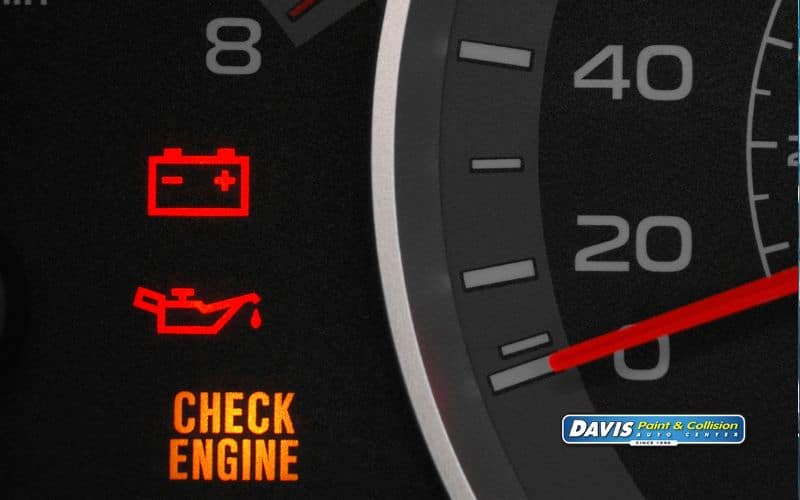
- Red — Something needs immediate attention. This includes the oil pressure light, engine temperature warning, brake system light, and battery/charging light. If one of these comes on, it’s safest to pull over when you can do so safely and have the vehicle checked before continuing to drive.
- Yellow or orange — Something needs attention soon, but it’s not usually an immediate emergency. The check engine light falls into this category, along with tire pressure warnings and traction control alerts.
- Green or blue — These are simply informational, letting you know a feature (like high beams or cruise control) is active.
The Lights Drivers Misunderstand Most
Check Engine Light: This is the most misunderstood light on the dashboard because it covers such a wide range of issues — anything from a loose gas cap to a failing sensor to a more serious engine problem. A steady light usually means it’s worth getting checked soon; a flashing check engine light is more urgent and often signals a misfire that could damage the catalytic converter if ignored.
Tire Pressure Warning (TPMS): This light means at least one tire is significantly underinflated, not necessarily flat. Ignoring it affects fuel efficiency, tire wear, and handling — and low pressure is one of the leading contributors to pothole and blowout damage. Our article on avoiding a flat tire has more on staying ahead of tire issues before they become urgent.
Battery/Charging System Light: Despite the name, this often isn’t about the battery itself — it more commonly points to the alternator not charging properly. If this light comes on, your car may only have limited driving time before it stalls completely.
ABS Light: This indicates a problem with your anti-lock braking system specifically, not your regular brakes. Your car will still stop, but you may lose the anti-lock function in an emergency stop, which is worth having looked at promptly.
Why Ignoring Lights Gets Expensive
A lot of drivers develop “dashboard blindness” — the light has been on for so long it just fades into the background. The problem is that small issues rarely stay small. A check engine light caused by a minor sensor issue, left unaddressed for months, can lead to poor fuel economy, additional strain on the engine, and eventually a much larger repair. The same is true of routine maintenance in general — our piece on car tune-ups that will save you thousands covers how staying ahead of small issues protects you from bigger ones.
When a Light Comes On After an Accident
It’s also worth knowing that warning lights can appear after a collision — even a minor one. A hard impact can jostle sensors, damage wiring, or trigger fault codes that weren’t there before. If a light comes on after any kind of accident, it’s a good idea to have the vehicle scanned rather than assuming it’s unrelated.
Not Sure What That Light Means?
If a warning light has popped up and you’re not sure whether it’s a quick fix or something more serious, don’t guess — bring it in. Our team can run a diagnostic scan, explain exactly what’s going on in plain language, and get it resolved before it turns into a bigger problem. Visit our automotive repair services page or call one of our Oklahoma City or Midwest City locations to get it looked at today.