
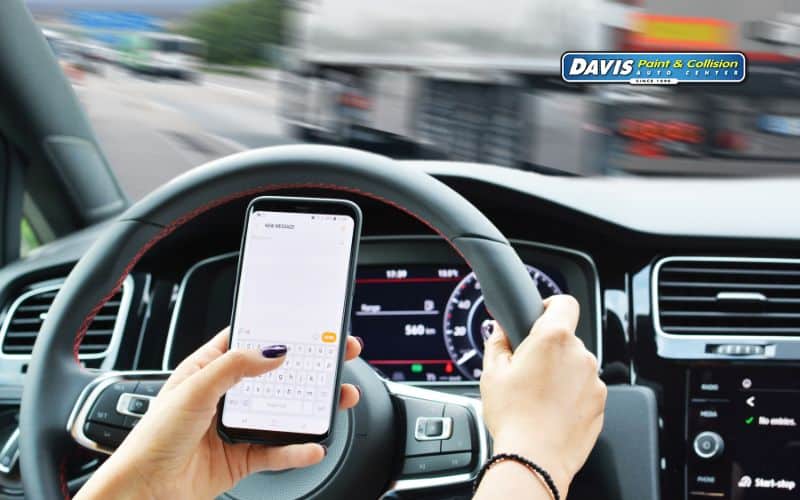
Distracted driving isn’t new — drivers have always dealt with radios, passengers, and drive-thru coffee. But the smartphone has changed the scale of the problem entirely. It’s not just texting anymore; it’s GPS directions, playlist changes, incoming notifications, video calls, and apps designed to keep your attention. For a lot of drivers, the phone has quietly become the biggest hazard on the road — more so than weather, road conditions, or mechanical issues combined.
Why Phones Are a Different Kind of Distraction
Distractions generally fall into three categories: visual (eyes off the road), manual (hands off the wheel), and cognitive (mind off driving). A smartphone is unique in that it can pull all three at once — glancing at a text pulls your eyes away, typing a response takes your hands off the wheel, and thinking about the conversation occupies your attention long after you’ve put the phone down. Even a glance that lasts a few seconds covers a surprising amount of distance at highway speed, often more than the length of a football field.
It’s Not Just Texting
Most drivers know texting and driving is dangerous, but modern smartphone use goes well beyond that:
- Typing an address into a GPS app while already moving
- Scrolling to find a song or podcast
- Responding to notifications from social media or messaging apps
- Taking a hands-free call that still occupies mental focus
- Glancing at incoming alerts, even without picking up the phone
Hands-free doesn’t mean distraction-free. Studies on cognitive load consistently show that a phone conversation — even entirely hands-free — reduces reaction time and situational awareness compared to driving without one.
Building Better Habits
A few practical habits go a long way:
- Set your route before you start driving. Enter your destination and confirm the route while parked, not while merging onto the highway.
- Use “Do Not Disturb While Driving” features. Most phones now have a driving mode that silences notifications and can auto-reply to texts.
- Put your phone out of reach. A glovebox, back seat, or bag removes the temptation entirely — much more effective than just setting it face-down.
- Talk to teen and new drivers directly about it. Habits formed early tend to stick. Our article on helping teen drivers stay safe on the road has more tips specific to newer drivers.
What to Do If a Distracted Driver Hits You
Distracted driving is one of the more common causes of rear-end collisions and low-speed parking lot accidents — situations where a driver simply wasn’t paying attention until it was too late. If you’re involved in a collision, whether it involves a distracted driver or not, knowing the right steps matters. Our guide on what to do right after an accident walks through documenting the scene, checking for injuries, and getting the information you need before you leave.
A Small Habit Change With a Big Payoff
None of this requires giving up your phone or your favorite playlist entirely — it just means being intentional about when and how you use it. A few seconds of preparation before you start driving can prevent the kind of split-second distraction that leads to a collision, an insurance claim, and weeks without your car.
If Distracted Driving Has Already Cost You a Collision
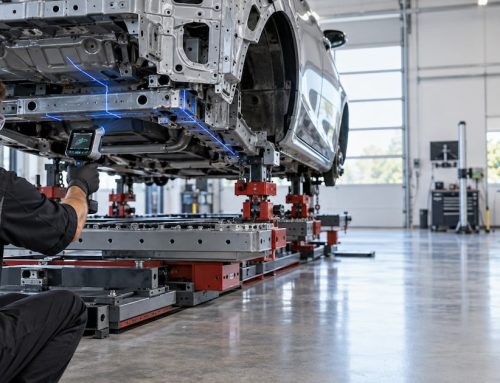
If you’ve been in an accident — whether you were rear-ended by someone glued to their phone or dealing with a distraction of your own — our team is here to help get your vehicle back to pre-accident condition. From bumper damage to more extensive structural repairs, our certified technicians handle it all. Visit our collision repair page or call one of our Oklahoma City or Midwest City locations to schedule an estimate.